
Cellular blinds (also called honeycomb shades) have become one of the most popular window coverings for homeowners. They’re energy efficient, attractive, and available in a wide variety of styles. But choosing the wrong product can leave you disappointed for years.
Here are three common mistakes homeowners make when shopping for cellular shades.
1. Choosing Price Over Quality
Cellular shades may look similar at first glance, but there’s a significant difference in how they’re built.
Lower-cost products often use thinner fabrics, weaker internal cords, and hardware that doesn’t hold up well with daily use. Over time, shades may sag, wrinkle, or become difficult to raise and lower.
A quality cellular shade should operate smoothly, maintain its shape, and continue looking good for many years. Since most homeowners only purchase window coverings once every decade or two, buying a better-built product is usually the better long-term value.
2. Ignoring Energy Efficiency
One of the biggest benefits of cellular shades is their ability to insulate your windows.
The honeycomb-shaped pockets trap air, helping keep your home warmer during the winter and cooler during the summer. However, not all cellular shades provide the same level of insulation.
When comparing products, consider:
Single-cell vs. double-cell construction
Cell size
Fabric opacity
Manufacturer energy ratings
Choosing the right combination can improve comfort while helping reduce heating and cooling costs.
3. Selecting the Wrong Light Control
Many homeowners focus on color and forget to think about how much light they actually want in each room.
Bedrooms often benefit from blackout fabrics that block nearly all outside light. Living rooms may feel brighter and more inviting with light-filtering fabrics that soften sunlight while maintaining privacy.
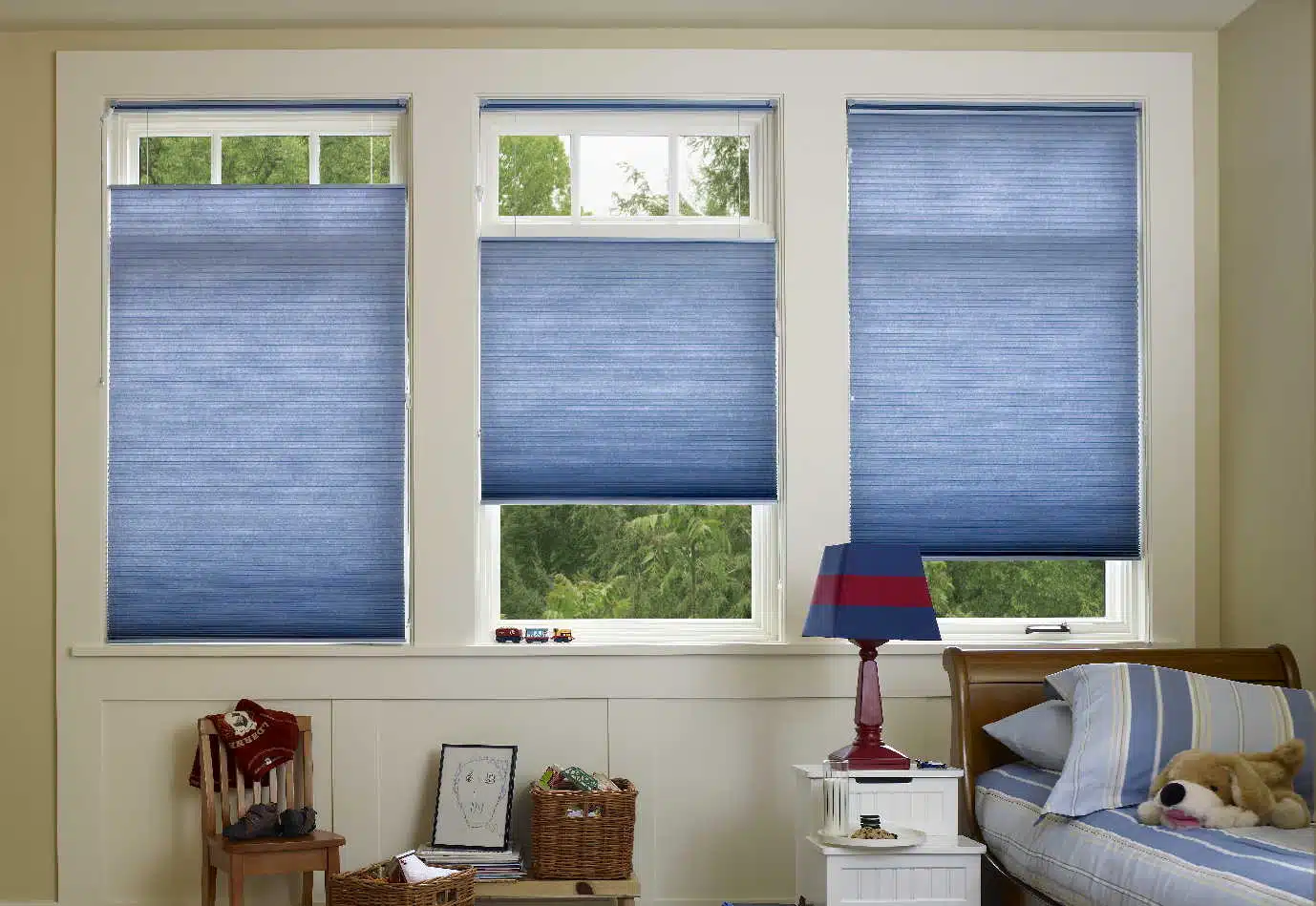
Some manufacturers even offer top-down/bottom-up shades, allowing you to lower the shade from the top while keeping the bottom closed for privacy.
Taking a few minutes to think about how each room is used can help you choose a shade you’ll enjoy every day.
The best cellular shades aren’t simply the least expensive—they’re the ones that match your home’s needs. By focusing on quality, insulation, and light control, you’ll make an investment that improves comfort, energy efficiency, and the overall look of your home for years to come.