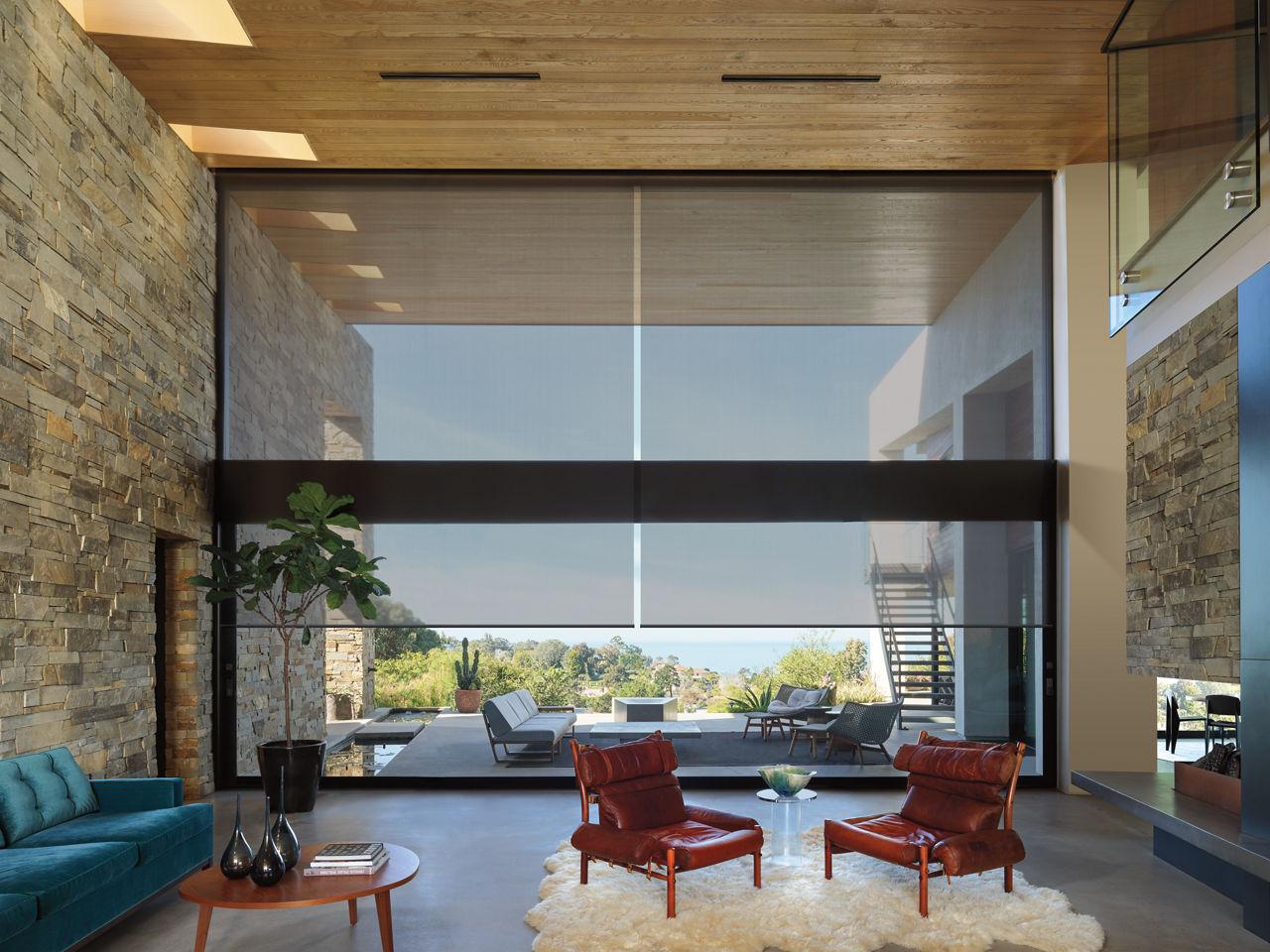



Motorized blinds can make everyday life more convenient while improving privacy, light control, energy efficiency, and smart home automation. But choosing the wrong system can also lead to compatibility problems, frequent battery charging, complicated setup, and frustration after installation.
Before investing in motorized blinds, homeowners should look beyond fabric, color, and price. Here are three common mistakes to avoid when comparing motorized window coverings.
1. Ignoring Smart Home Compatibility
One of the biggest mistakes homeowners make when choosing motorized blinds is buying a system that works only with a single smart home ecosystem or proprietary app.
Before purchasing, determine whether the blinds are compatible with the smart home platform you currently use—or may use in the future. Common platforms include:
Apple Home
Google Home
Amazon Alexa
Samsung SmartThings
It is also worth considering newer smart home standards such as Matter and Thread.
Matter was developed to improve interoperability between connected devices from different manufacturers. A Matter-compatible system may therefore provide greater flexibility as smart home technology continues to evolve.
Thread is a low-power wireless networking technology increasingly used with smart home devices. Compared with devices that depend entirely on traditional Wi-Fi connections, Thread can provide responsive communication while using relatively little power—an important consideration for battery-powered window coverings.
Before choosing a motorized blind system, ask:
Which smart home platforms does it support?
Does it require a proprietary hub?
Does it support Matter?
Does it use Thread, Wi-Fi, Bluetooth, or another communication protocol?
Can it continue operating if the manufacturer’s app or cloud service changes?
Choosing a system with broad compatibility can help protect your investment as smart home technology evolves.
Helpful resources:
2. Overlooking Battery Life and Power Options
Another common mistake is focusing on features without considering how the motorized blinds will be powered.
Motorized window coverings may use:
Rechargeable batteries
Replaceable batteries
Solar charging
Hardwired electrical power
Battery-powered systems are popular because they can often be installed without opening walls or adding electrical wiring. However, battery performance can vary considerably depending on the motor, size and weight of the shade, wireless technology, and how frequently the blind is operated.
A large motorized shade that moves several times every day may have very different power requirements than a smaller shade that operates only once or twice.
Before selecting a system, consider:
How often will the batteries need to be charged or replaced?
How accessible is the charging port or battery compartment?
Is solar charging available?
Would hardwiring make more sense for large or difficult-to-reach windows?
What happens when the battery becomes low?
Can batteries or power components be replaced in the future?
Hardwired systems can eliminate routine charging concerns but generally require more planning and professional installation. They can be particularly attractive during new construction or remodeling when electrical wiring can be installed before walls and finishes are completed.
Helpful resource:
3. Assuming “Smart” Means Easy Setup
A product being labeled “smart” does not necessarily mean it will be simple to install, configure, or maintain.
Some motorized blind systems require additional components such as:
Smart home hubs
Thread border routers
Manufacturer-specific bridges
Additional mobile apps
Account registrations
Wi-Fi configuration
Motor calibration
Even with newer standards such as Matter, real-world compatibility can still vary between manufacturers, devices, and smart home platforms.
Researching these requirements before purchasing can prevent considerable frustration later.
For professionally installed motorized blinds, setup should also include proper measurement, mounting, motor configuration, travel-limit calibration, and testing of any smart home controls or automation routines.
Homeowners should consider the long-term support behind the system as well. Ask whether the manufacturer provides ongoing app updates, replacement components, warranty support, and service if something stops working several years after installation.
Privacy and cybersecurity are another consideration. Like other connected devices, smart blinds may communicate through apps, home networks, or cloud services. Homeowners using connected window coverings should understand how the system communicates and what accounts or online services are required.
Helpful resources:
Choosing Motorized Blinds That Will Work for the Long Term
Choosing the right motorized blinds involves much more than selecting a fabric or color.
Smart home compatibility, power requirements, installation quality, motor performance, manufacturer support, and ease of use can all affect how satisfied you are with the system years after it is installed.
For homeowners considering motorized blinds in Spokane, Factory Rep Blinds can help evaluate your windows, preferred shade styles, power options, smart home system, and automation needs before recommending a motorized window-covering solution.
Taking the time to select the right system upfront can help ensure your motorized blinds make your home more convenient—not more complicated.