

Window coverings can dramatically improve the comfort, appearance, and energy efficiency of a home — but costs can add up quickly, especially when covering an entire house.
The good news is that homeowners can often save substantial money by choosing the right blind style for each room instead of automatically selecting the most expensive option everywhere.
Here’s how the most common window covering types compare when balancing cost, appearance, durability, and functionality.
Cellular Shades: Best Value for Energy Efficiency
Hunter Douglas Duette Honeycomb Shades-style cellular shades (also called honeycomb shades) are one of the best all-around values for many homeowners.
Their insulated air-pocket design can help reduce heat gain in summer and heat loss in winter. The U.S. Department of Energy notes that cellular shades are among the most energy-efficient window covering options available.
Advantages:
- Excellent insulation
- Moderate pricing
- Clean, modern appearance
- Good light control
- Available in blackout fabrics
Potential downsides:
- Fabric can be damaged by pets or children
- Not as decorative as draperies or Roman shades
Helpful resource:
Roller Shades: Simple and Budget-Friendly
Roller shades have become extremely popular because they offer a modern appearance at a relatively affordable price.
They also pair well with motorization and smart home systems.
Advantages:
- Often one of the least expensive custom options
- Minimalist appearance
- Easy to operate
- Excellent for large windows
- Good compatibility with motorization
Potential downsides:
- Less insulation than cellular shades
- Fabric quality varies widely
- Lower-end rollers can show wrinkles or edge curling over time
Roller shades are often one of the smartest ways to save money while still achieving a clean, upscale look.
Vertical Blinds: Most Economical for Large Sliding Doors
Vertical blinds remain one of the most cost-effective solutions for large windows and sliding glass doors.
While they aren’t currently the trendiest option, modern versions look much cleaner than older vinyl vertical blinds from decades past.
Advantages:
- Lower cost for large openings
- Good light control
- Easy replacement of damaged vanes
- Durable for high-traffic areas
Potential downsides:
- Less luxurious appearance
- Can produce noise in windy conditions
- Some homeowners dislike the traditional aesthetic
For large patio doors, vertical blinds can save hundreds — or even thousands — compared to custom draperies or panel track systems.
Roman Shades: Beautiful but More Expensive
Roman shades are popular because they combine the softness of drapery with the function of a shade.
However, they are typically more expensive due to the amount of fabric and craftsmanship involved.
Advantages:
- Elegant, designer appearance
- Softer look than roller shades
- Large fabric selection
- Works well in living rooms and bedrooms
Potential downsides:
- Higher cost
- Larger fabric stack when raised
- More difficult cleaning and maintenance
Roman shades are often best reserved for focal-point rooms where aesthetics matter most.
Draperies: Highest Design Impact — and Often Highest Cost
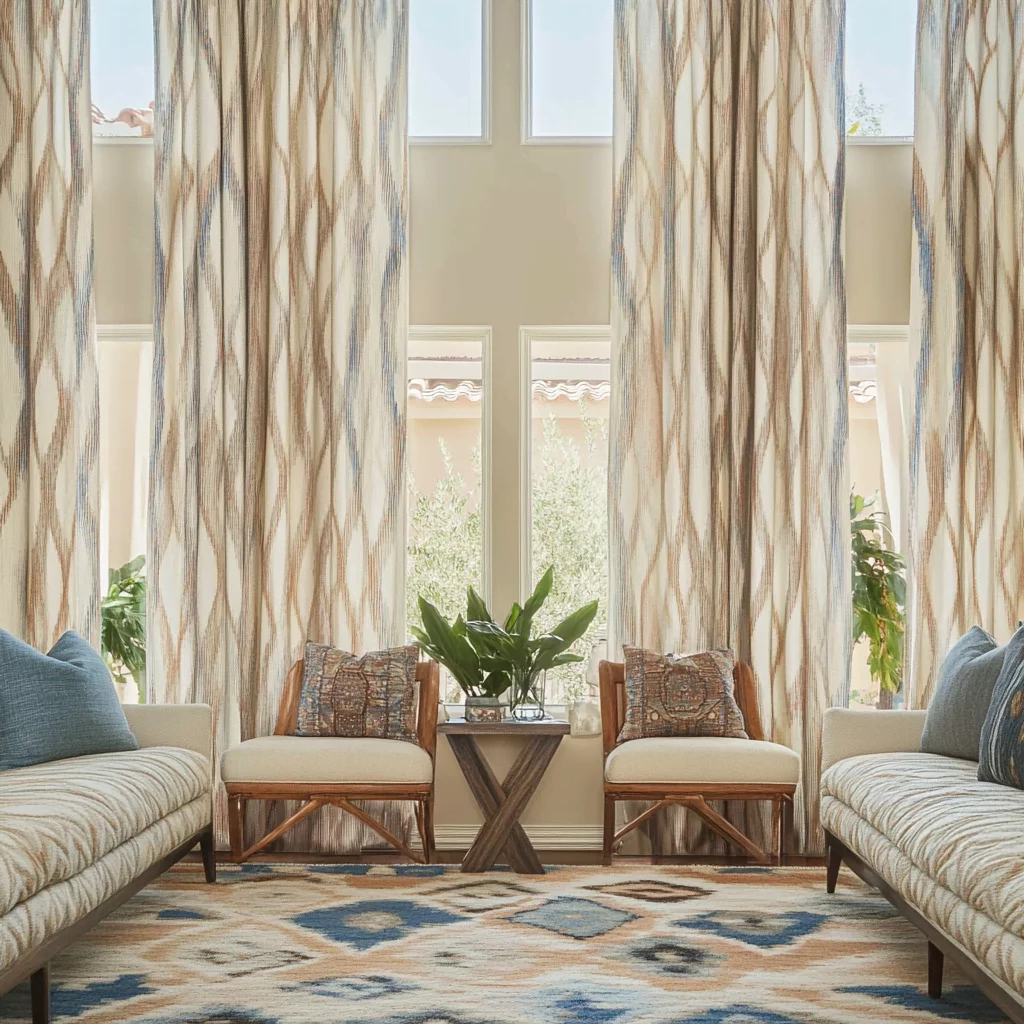
Custom draperies create one of the most luxurious finished looks in interior design, but they also tend to be among the most expensive window covering options.
Costs increase quickly because pricing includes:
- Large amounts of fabric
- Lining materials
- Hardware
- Pleating
- Sewing labor
- Installation
Advantages:
- Premium appearance
- Excellent sound absorption
- Strong insulation potential
- Endless fabric and design possibilities
Potential downsides:
- Highest overall cost
- Requires professional measuring and installation
- Can overwhelm smaller rooms if poorly designed
Homeowners looking to save money often use draperies selectively in main living spaces while using more economical shades elsewhere.
Solar Screens and Roll Screens: Great for Sun Control
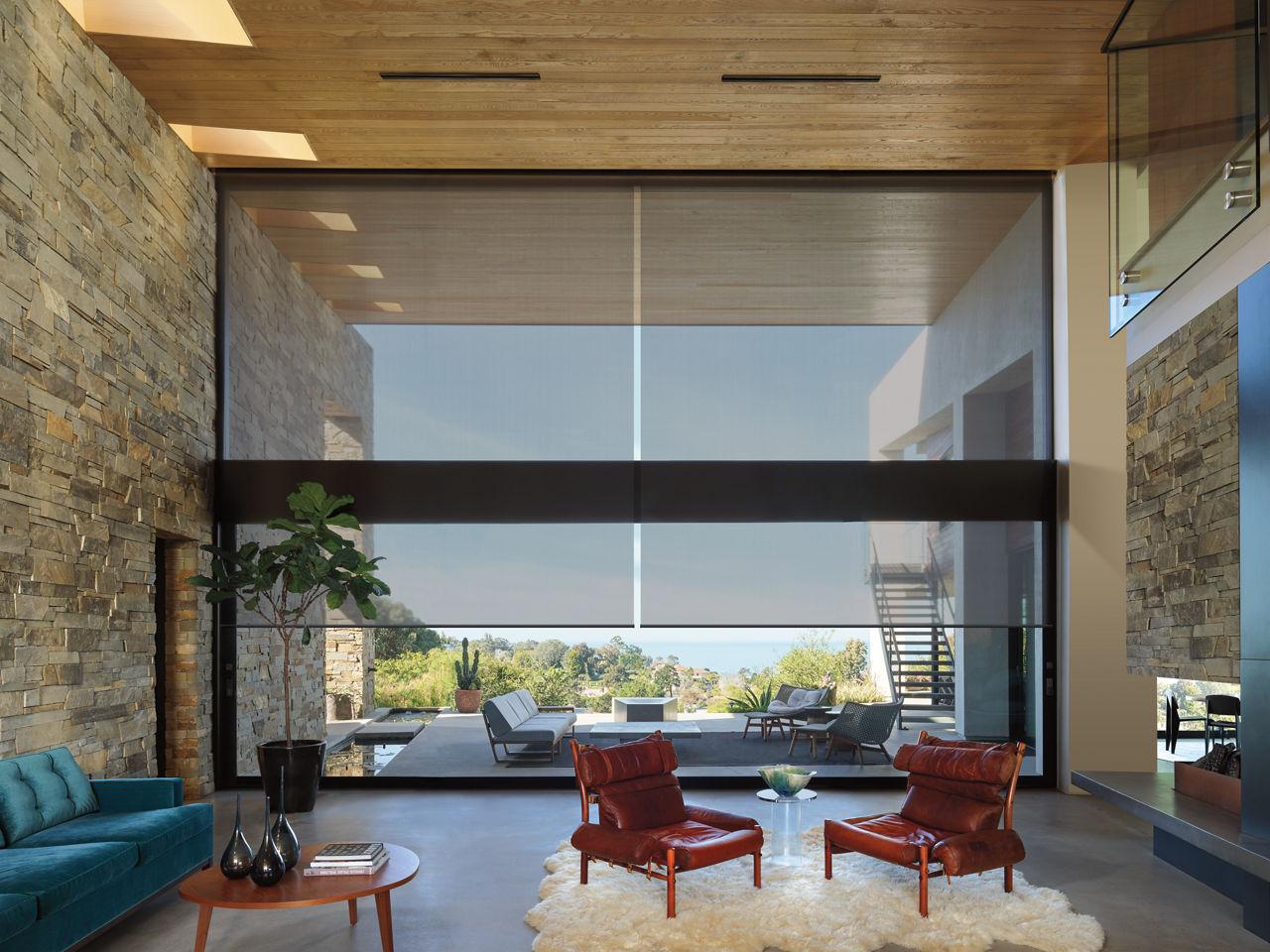
Solar shades and exterior roll screens are excellent for reducing glare and heat while preserving outdoor views.
The International Window Film Association notes that solar shading systems can significantly reduce solar heat gain and improve comfort near windows.
Advantages:
- Excellent glare reduction
- Helps protect flooring and furniture from UV damage
- Preserves outside visibility
- Often less expensive than full drapery systems
Potential downsides:
- Limited nighttime privacy
- Less insulation than cellular shades
- Visibility varies by openness percentage
Helpful resource:
How Motorization Impacts Cost
Motorization is one of the largest upgrades homeowners can add to their blinds — and one of the biggest cost drivers.
Depending on the product and brand, motorization can increase the price of a blind anywhere from 30% to well over 100%.
That increase comes from:
- Motors
- Battery systems or power supplies
- Smart home communication hardware
- Remote controls and hubs
- Programming and installation labor
Premium motorized systems from companies like Lutron Electronics and Hunter Douglas typically cost more upfront, but they often provide quieter motors, better reliability, stronger smart home integration, and longer-term support.
Homeowners looking to save money often limit motorization to:
- Hard-to-reach windows
- Tall windows
- Main living spaces
- Bedrooms
Using manual blinds in secondary rooms can dramatically reduce overall project costs.
Helpful resources:
- Consumer Reports – Smart Home Device Buying Guide
- Connectivity Standards Alliance – Matter Smart Home Standard
One Large Blind vs. Multiple Smaller Blinds
Large windows can create another major pricing decision: should you use one oversized blind or multiple smaller blinds across the same opening?
Many homeowners assume one large blind will cost less because there’s only one product. In reality, oversized blinds often cost more.
Why Large Blinds Increase Cost
As blinds become wider, manufacturers must use:
- Larger headrails
- Stronger brackets
- Heavier-duty tubes
- More powerful motors
- Additional fabric reinforcement
Shipping and handling costs also rise significantly for oversized products.
Motorized oversized blinds are especially expensive because the motors must lift substantially more weight.
Why Multiple Smaller Blinds Often Save Money
Using two or three smaller blinds across a large window opening can often reduce costs substantially.
Benefits include:
- Smaller, less expensive motors
- Easier installation
- Reduced strain on hardware
- Lower replacement cost if one blind fails
- Simpler shipping and handling
This approach is especially common for:
- Large living room windows
- Patio doors
- Wide contemporary windows
- Office buildings and commercial spaces
The Tradeoff: Appearance vs. Budget
The main downside of using multiple smaller blinds is aesthetic.
One large blind creates a cleaner, more seamless appearance with fewer visible gaps. Multiple blinds introduce light gaps between shades and create additional lines across the window.
For homeowners prioritizing design simplicity, the added cost of a single oversized shade may still be worthwhile.
For budget-conscious homeowners, however, dividing large windows into multiple blinds is often one of the easiest ways to save money without sacrificing functionality.
Smart Ways to Save Money on Window Coverings
Homeowners can often reduce costs substantially with a few smart strategies:
Mix Window Covering Types
Not every room needs premium designer shades. Use higher-end products only where they matter most.
Example strategy:
- Roller shades in bedrooms
- Vertical blinds on patio doors
- Roman shades in dining rooms
- Draperies only in main living areas
Use Motorization Strategically
Instead of motorizing every blind in the house, focus on the windows where automation adds the most convenience.
Divide Large Windows Into Multiple Blinds
Using multiple smaller blinds instead of one oversized shade can significantly reduce material and motorization costs.
Focus on Fabric Upgrades Selectively
Premium fabrics can double or triple pricing. Using upgraded materials only in focal-point rooms helps control costs.
Work With an Experienced Dealer
Professional window covering dealers often help homeowners avoid costly measuring mistakes, incompatible products, and unnecessary upgrades.
An experienced designer or installer can also recommend lower-cost alternatives that still achieve a similar appearance.
The Bottom Line
The “best” blinds are not always the most expensive ones.
Cellular shades often deliver the best energy value. Roller shades provide excellent affordability and clean design. Vertical blinds remain one of the most economical options for large openings. Roman shades and draperies offer premium aesthetics but at significantly higher costs.
Motorization and oversized blinds can dramatically increase project costs, while strategic product selection and dividing large windows into multiple shades can often reduce costs substantially.
Choosing the right combination of products for different rooms is often the smartest way to balance beauty, functionality, convenience, and budget.