

4 Things to Consider Before Purchasing Motorized Exterior Roll Screens
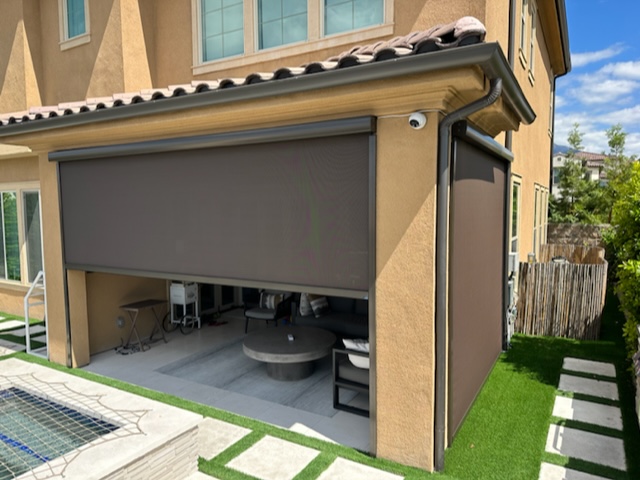
Motorized exterior roll screens can dramatically improve the comfort and usability of a patio, deck, covered outdoor living area, or large window opening. They provide shade, privacy, glare reduction, and protection from the elements while maintaining views and airflow.
However, many homeowners are surprised to learn that selecting an exterior screen system involves much more than choosing a fabric color and pressing a remote control.
In fact, the success of an exterior screen installation often depends on factors that aren’t immediately obvious when shopping online or comparing products.
Here are four important considerations before purchasing motorized exterior roll screens.
1. The Width of the Opening You Need to Cover
One of the first questions a professional installer will ask is:
“How wide is the opening?”
The reason is simple: every manufacturer has limitations regarding the maximum width and height their screen systems can effectively span.
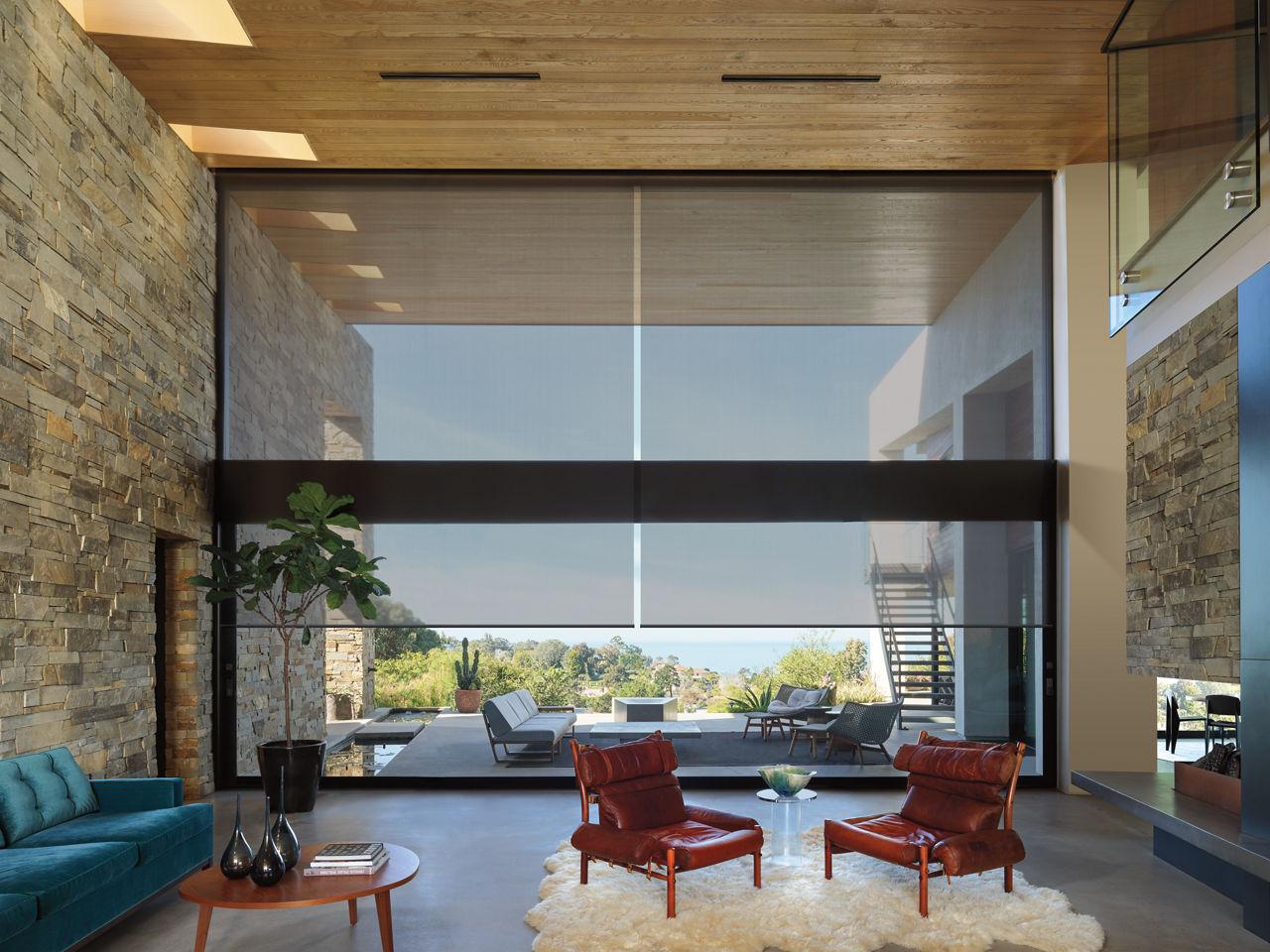
A small patio opening may be compatible with several different products. A larger opening, however, may require a specific manufacturer, a heavier-duty system, or multiple screens working together.
The wider the opening becomes, the more important factors such as fabric tension, roller tube strength, motor capacity, and wind resistance become.
For example:
Some systems are designed primarily for smaller residential openings.
Others are engineered to span exceptionally wide patio areas.
Certain manufacturers offer specialized solutions for oversized applications.
This is one reason why a professional measurement is so important. What appears to be a straightforward installation may actually require a specific screen system to ensure long-term performance.
2. Your Wind Conditions
Wind is one of the most overlooked factors when selecting exterior screens.
Unlike interior window coverings, exterior screens are exposed to real environmental forces every day. Even moderate winds can place significant stress on large screen surfaces.
Homes that are especially susceptible to wind include:
Lakefront properties
Golf course homes
Elevated decks
Ridge-top homes
Open rural properties
Homes overlooking valleys or water
Different manufacturers address wind resistance differently. Some systems are engineered specifically for challenging conditions and incorporate advanced retention systems designed to keep the screen engaged within the side tracks.
The wind conditions at your home may influence:
Which manufacturer is recommended
Maximum screen dimensions
Fabric selection
Track system design
Mounting requirements
A screen system that performs beautifully on a sheltered patio may not be the best choice for a home with significant wind exposure.
3. Electrical Availability
Motorized screens require power.
While that sounds obvious, electrical planning is often overlooked until late in the project, which can increase installation costs or limit available options.
Before selecting a screen system, it’s important to determine:
Is power available near the installation location?
Can wiring be concealed?
Is new electrical work required?
Will the screens be controlled by a remote, wall switch, smartphone app, or home automation system?
In new construction projects, planning electrical service early is relatively simple.
For existing homes, however, electrical access can influence both installation complexity and overall project cost.
An experienced exterior screen dealer can often identify solutions that minimize visible wiring while preserving the appearance of the home.
4. Is There a Proper Mounting Structure?
Perhaps the most important consideration is one homeowners rarely think about: what the screen system will actually attach to.
Motorized exterior screens are substantial systems that require secure mounting points. The housing, tracks, and motor assembly must be fastened to a structure capable of supporting the system for years of operation.
Depending on the installation, this may involve:
Structural beams
Patio covers
Headers
Posts
Masonry surfaces
Framing modifications
In some cases, homeowners discover that additional structural work is needed before a screen can be installed properly.
A qualified installer will evaluate:
Mounting beam size
Structural integrity
Fastener locations
Track attachment points
Clearance requirements
The goal is to ensure the screen operates smoothly and safely while maintaining the manufacturer’s performance specifications.
Why Professional Site Evaluations Matter
When homeowners begin researching exterior screens, they often focus on fabric colors, openness factors, and remote controls.
While those details are important, the most successful installations begin with evaluating the opening itself.
Opening width, wind exposure, electrical availability, and mounting structure all play a major role in determining which screen system will provide the best long-term performance.
In many cases, these factors influence not only the installation method but also which manufacturer is ultimately the best fit for the project.
The Bottom Line
Before investing in motorized exterior roll screens, make sure you understand:
The size of the opening you’re trying to cover.
The wind conditions at your home.
The availability of electrical power.
The structural mounting surface available for installation.
Addressing these factors early helps ensure that the screen system you choose performs reliably, operates smoothly, and provides years of comfort and enjoyment.
At Factory Rep Blinds, every exterior screen consultation begins with evaluating these critical factors so that the system recommended is matched to your home’s unique requirements—not simply chosen from a catalog.